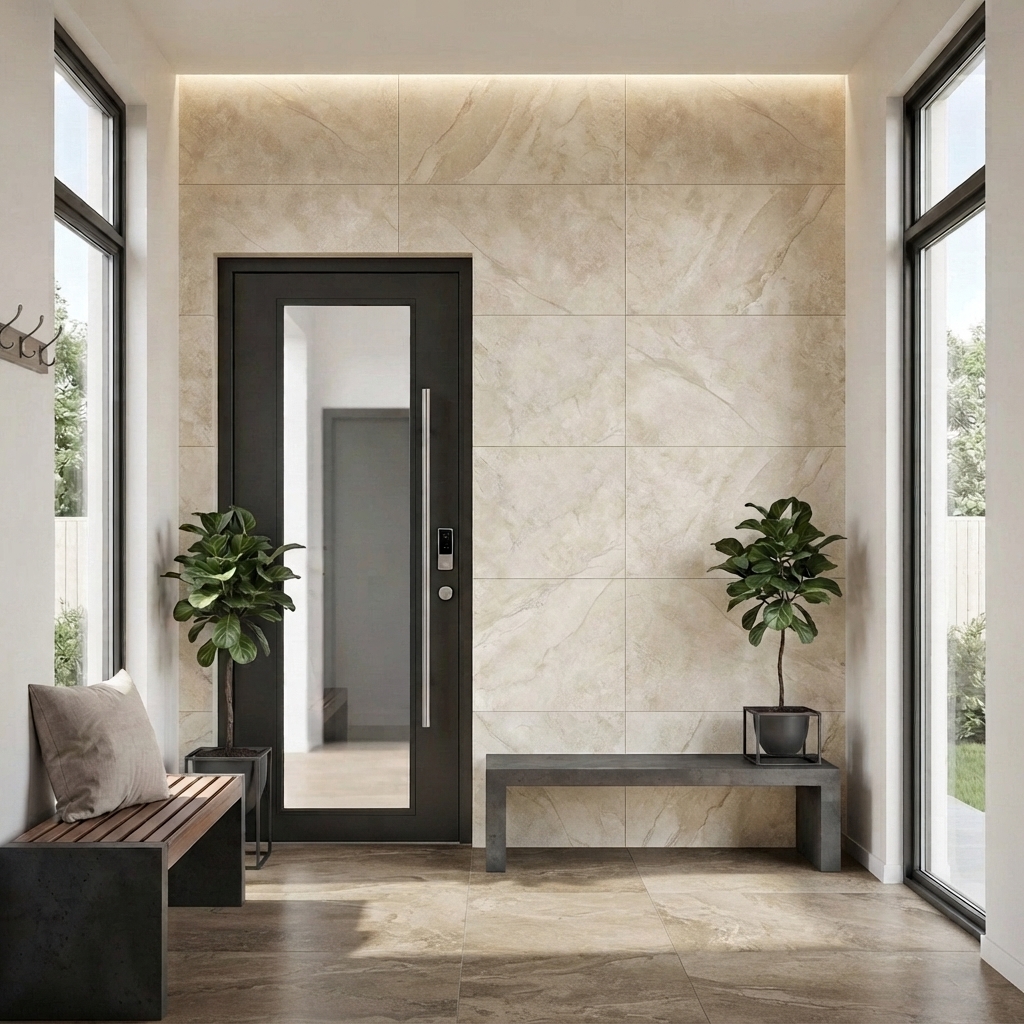
Terrazzo: the floor that was salvaged, not invented
Terrazzo began as marble offcuts pressed into clay by Venetian workers who had no floor of their own. Nothing changed but who was looking.
By OnWood Tiles

Terrazzo was not invented. It was salvaged, by workers who were not allowed to waste marble and who had no floor of their own worth the name. What began as thrift on a bare terrace is now specified for airports, museums and expensive kitchens. The material never changed. What changed was who was looking at it.
Born from the offcuts
In sixteenth-century Venice the marble mosaic trade was run by migrant workers from Friuli. Mosaic is brutally wasteful, and in a guild trade the offcuts were nobody's to bin, so they went home with the workers, who had bare earth underfoot in their own quarters. They pressed the fragments into a bed of clay on their terraces and beat them flat. That improvised floor is the ancestor of everything we now call terrazzo.
It was never meant to be admired. It was simply a way to have a solid, handsome floor out of scraps that would otherwise have gone to waste. The pattern was an accident of thrift, not a design decision, and that is exactly why it has aged so well.
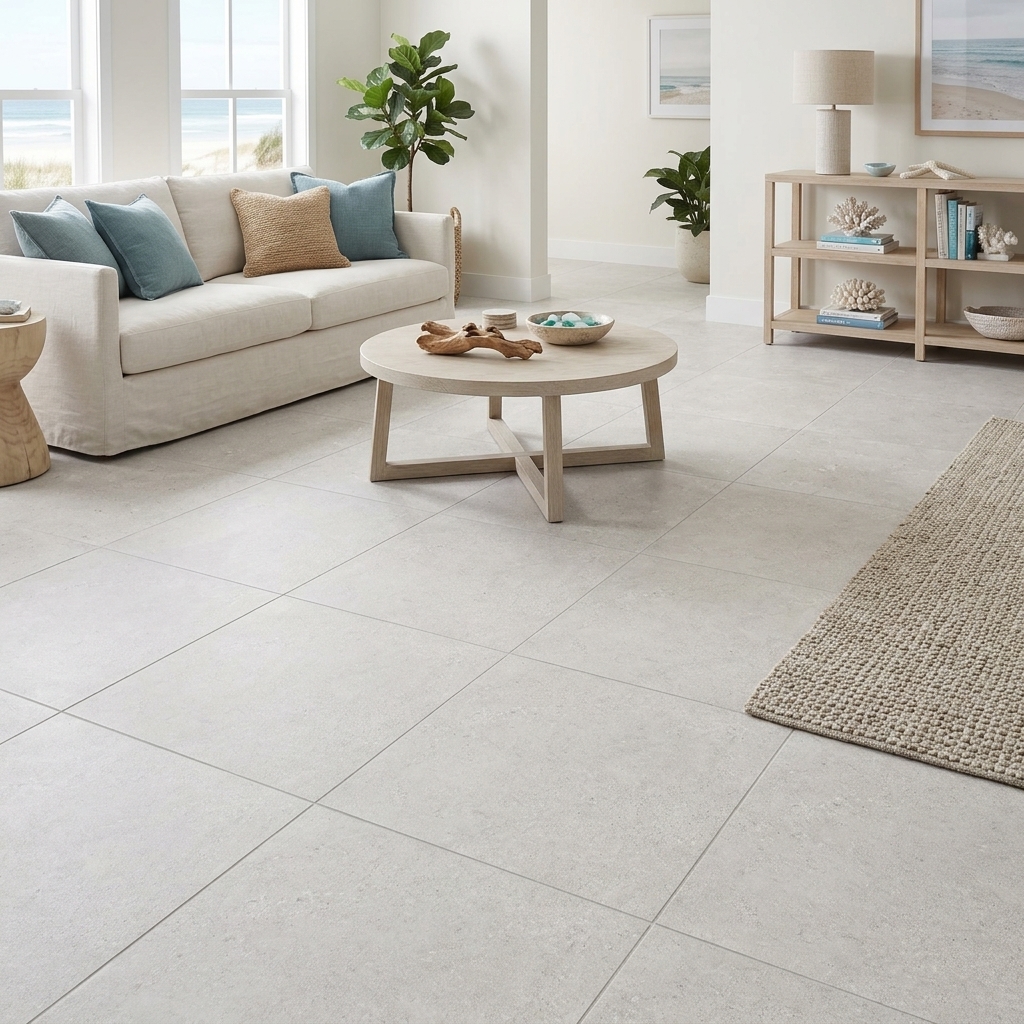
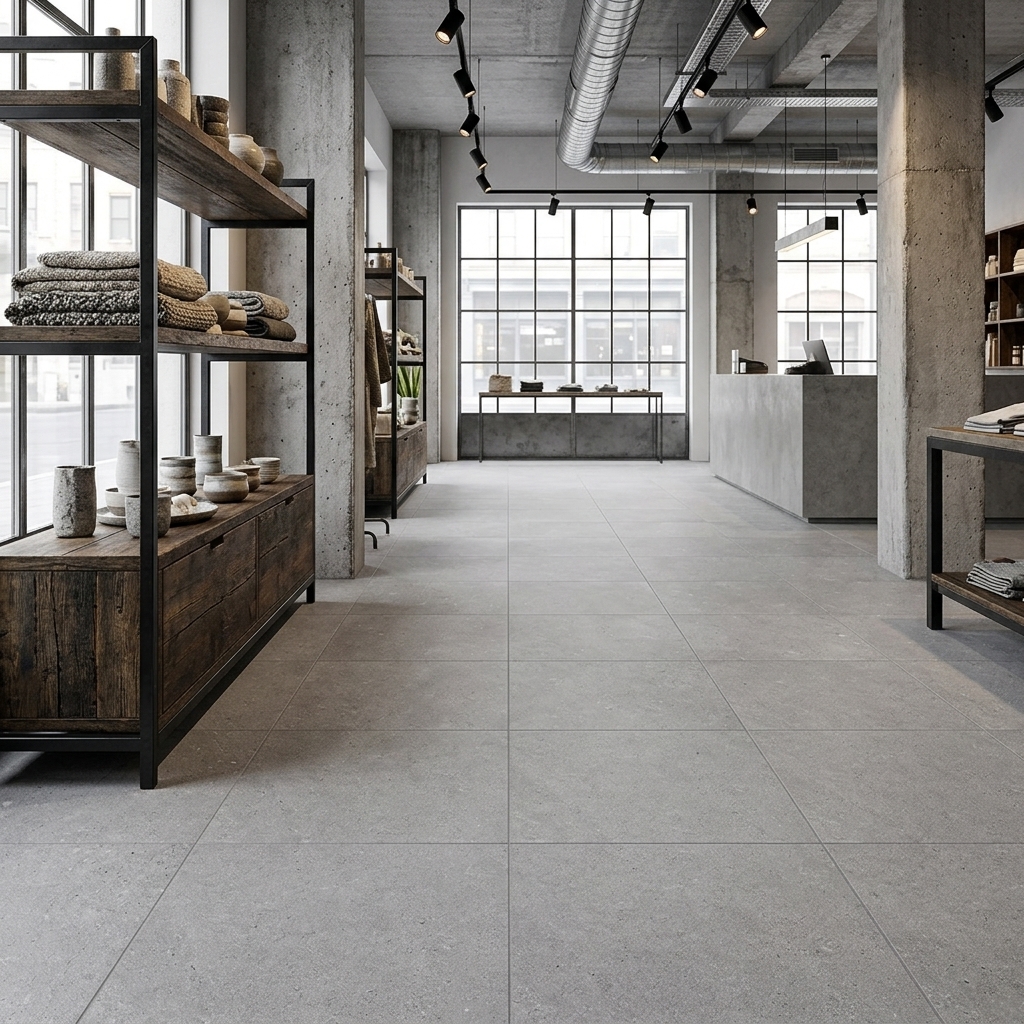
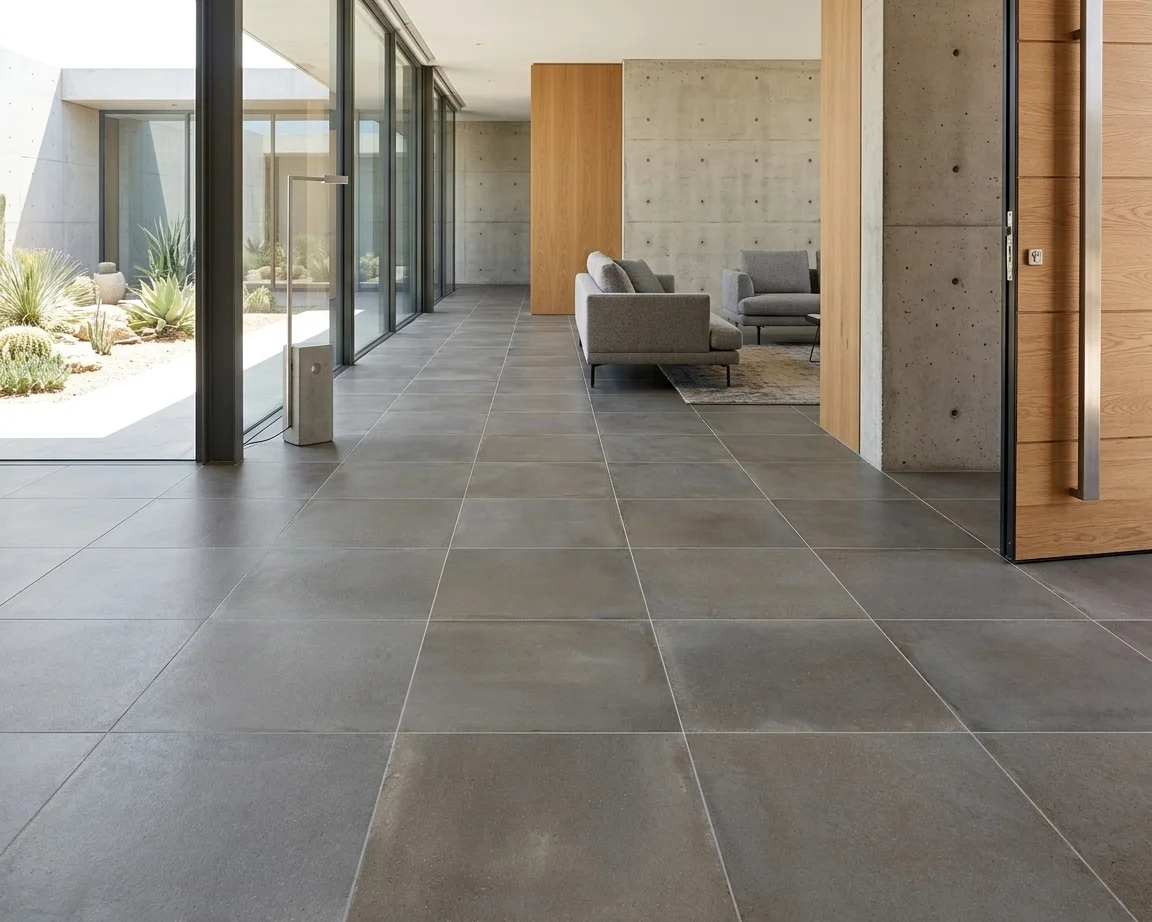
Nothing about the material changed. What changed was who was looking at it.
Why it endures
Terrazzo lasts because of how it was improvised. Chips suspended in a binder give a floor with no directional grain to fail along and no joints to open up. It moves as one plane. And it can be ground back and repolished, which means terrazzo does not wear out so much as get thinner, slowly, over a century. A floor that gets thinner instead of failing is a rare thing, and it is the reason genuine terrazzo turns up in buildings that have to survive generations of foot traffic.
Real terrazzo and the porcelain look
Porcelain terrazzo-look gives you the same visual language for a fraction of the cost, with porcelain's indifference to water. Just know which one you are buying. The difference shows at the edges. At a step, a skirting or a shower hob, real terrazzo turns the corner as one continuous mass, while porcelain has to be cut, mitred and joined.
Neither one is wrong. Poured terrazzo is a specialist job with a specialist price, and it rewards you with that seamless, sculptural continuity. Porcelain gives you the speckled surface, the easy maintenance and the water resistance, laid as tiles like any other floor. If you understand where the join sits, you can choose the right one for the room with your eyes open.
The word
Terrazzo comes from terrazza, Italian for terrace, because those Venetian mosaic workers set marble offcuts into the terraces outside their own homes. The older name was seminato, meaning sown, as though the chips had been scattered across the surface like seed. Both words carry the memory of how it started, on the ground, out in the open, made from what was left over.
Choosing a finish
With terrazzo-look porcelain the finish matters as much as the colourway, because it decides how the floor reads underfoot and how it handles light and water.
This piece appears in Kiln, our magazine. Flick through it here.
Ready to see it in your own space? Browse our terrazzo-look tiles or book a showroom visit.
Written by OnWood Tiles, 16 August 2026