
Porcelain vs ceramic tiles: the one number that decides it
Porcelain and ceramic sound interchangeable, but one measurable number sorts them: water absorption. Here is what it means, and where each one earns its money.
By OnWood Tiles
Two words get used as if they mean the same thing, and they describe two genuinely different materials. The distinction is not marketing. It is a number you can measure.
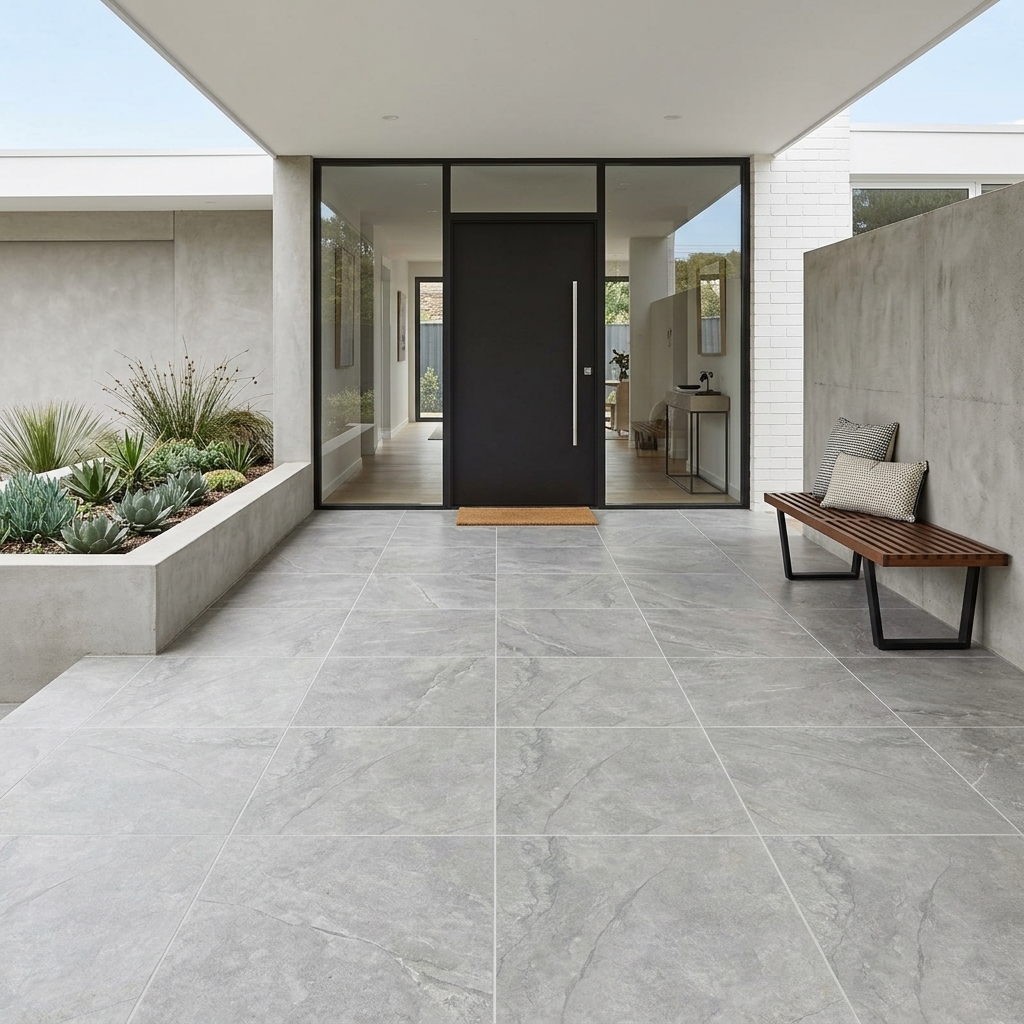
The one number that decides it
The definition is water absorption. Weigh a dry tile, soak it, then weigh it again. The difference tells you which material you are holding.
Porcelain absorbs half a percent of its weight or less. Fire a fine clay hot enough and the mineral fuses into glass that closes the pores.
A vitrified body does not drink.
Everything above that line is ceramic. A ceramic body absorbs 3 to 12 percent. The pores stay open, so it drinks, which is why it belongs on walls and in dry interiors. A vitrified porcelain body absorbs under 0.5 percent. It is fused solid, so it goes on floors, in wet areas, outside and in salt air.
Where it earns its money
The number is only useful once you put it in a room. Here is where each material earns its keep.
Interior walls
Whatever you love. The membrane behind the tile does the waterproofing, so the absorption of the tile itself matters far less here. Ceramic is lighter, easier to cut around tapware, and gives the adhesive something to grip. On a wall, that is a genuine advantage.
Interior floors
Either one. Normal domestic traffic does not care, provided the tile is rated for floors. So long as that box is ticked, choose on look and budget rather than on the material name.
Outside and wet areas
Porcelain, and not for the frost argument imported from the northern hemisphere, which means nothing here. The real reason is closer to home. A poolside in February hits sixty degrees, then a storm rolls across it. That thermal shock crazes a glaze, and a porous body swells until a floor with no movement joints lifts. A vitrified body that does not drink shrugs both off.
Kitchens and entries
Porcelain again, same answer for a different reason. Here it is not about water at all. It is abrasion and staining. A dense, fused body resists the grit tracked in at the door and the spills that never quite get wiped in time.
The short version
Ceramic drinks, so keep it to walls and dry interiors where it is genuinely easier to work with. Porcelain does not, so send it anywhere heat, water, salt air, foot traffic or staining is part of the day. When you are unsure, the higher the demand on the tile, the more the number tips you towards porcelain.
This piece appears in Kiln, our magazine. Flick through it here.
Ready to choose? Browse our tiles or book a showroom visit.
Written by OnWood Tiles, 16 August 2026

