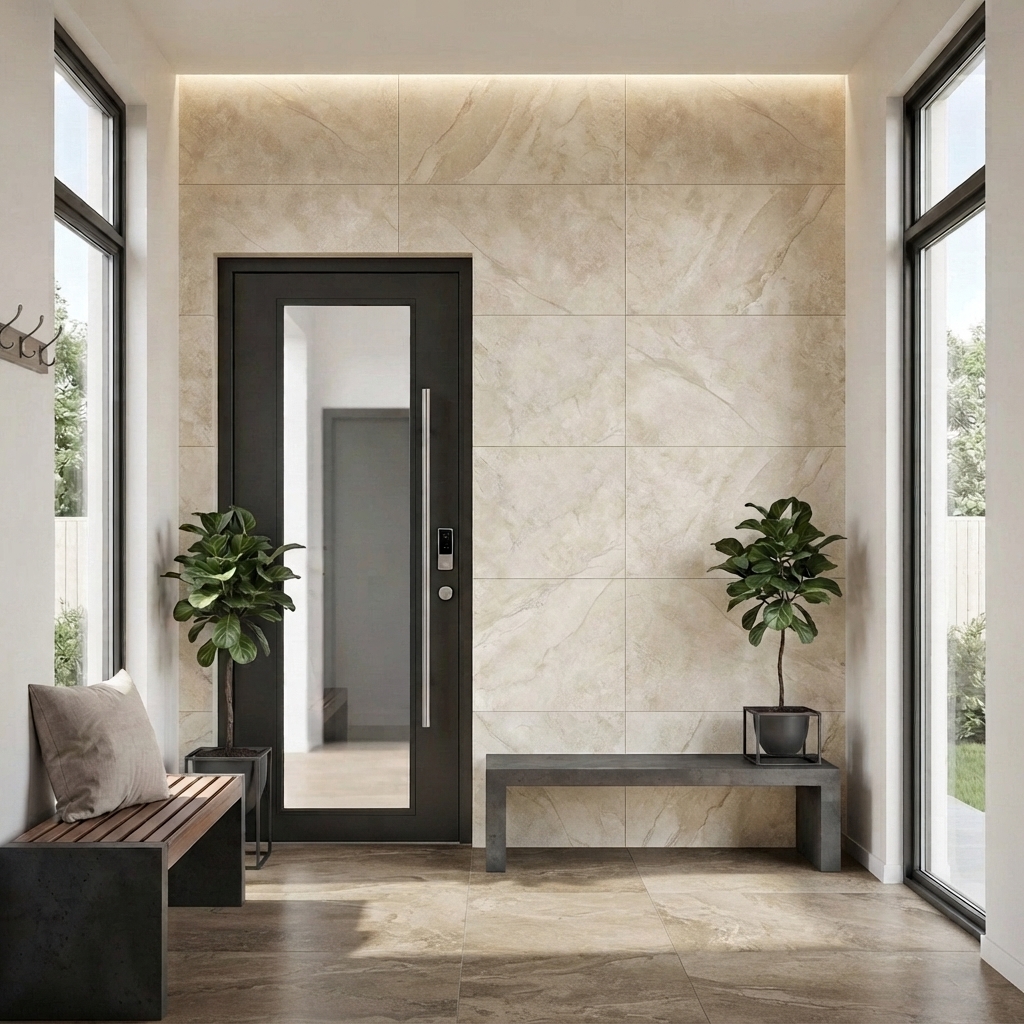
Porcelain, Ceramic or Natural Stone? How to Choose the Right Tile for Each Room
Porcelain, ceramic and natural stone each have a place. A plain-English guide to what suits floors, walls, wet areas and outdoors, from our Sunshine Coast showroom.
By OnWood Tiles
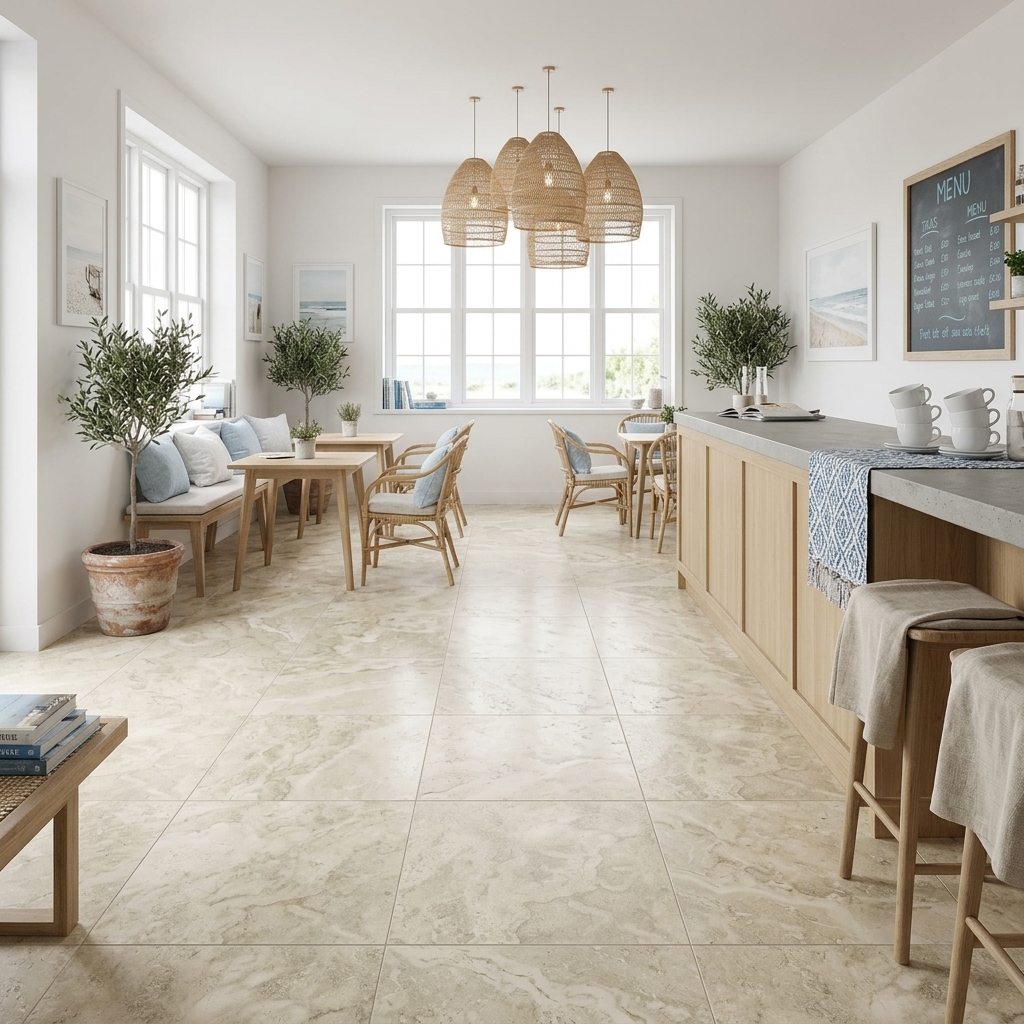
Walk into any tile showroom and you will hear three words over and over: porcelain, ceramic and natural stone. They can look almost identical on a sample board, yet they behave very differently once they are on your floor or wall. Here is how we help Sunshine Coast homeowners pick the right one for each room, without the jargon.
Porcelain: the hard-wearing all-rounder
Porcelain is fired hotter and denser than ordinary ceramic, so it is tougher, barely absorbs water, and shrugs off scratches, stains and UV. That is why it is our default for floors, wet areas and anything outdoors. Modern printing means it can convincingly mimic marble, timber, concrete or stone while wearing far better than the real thing.
- Best for: floors, bathrooms, laundries, kitchens, alfresco and pool surrounds.
- Why: dense, water-resistant, colour-stable and low-maintenance.
- Watch: polished porcelain looks stunning, but choose a grippier finish underfoot in wet zones.
Ceramic: light, affordable and perfect on walls
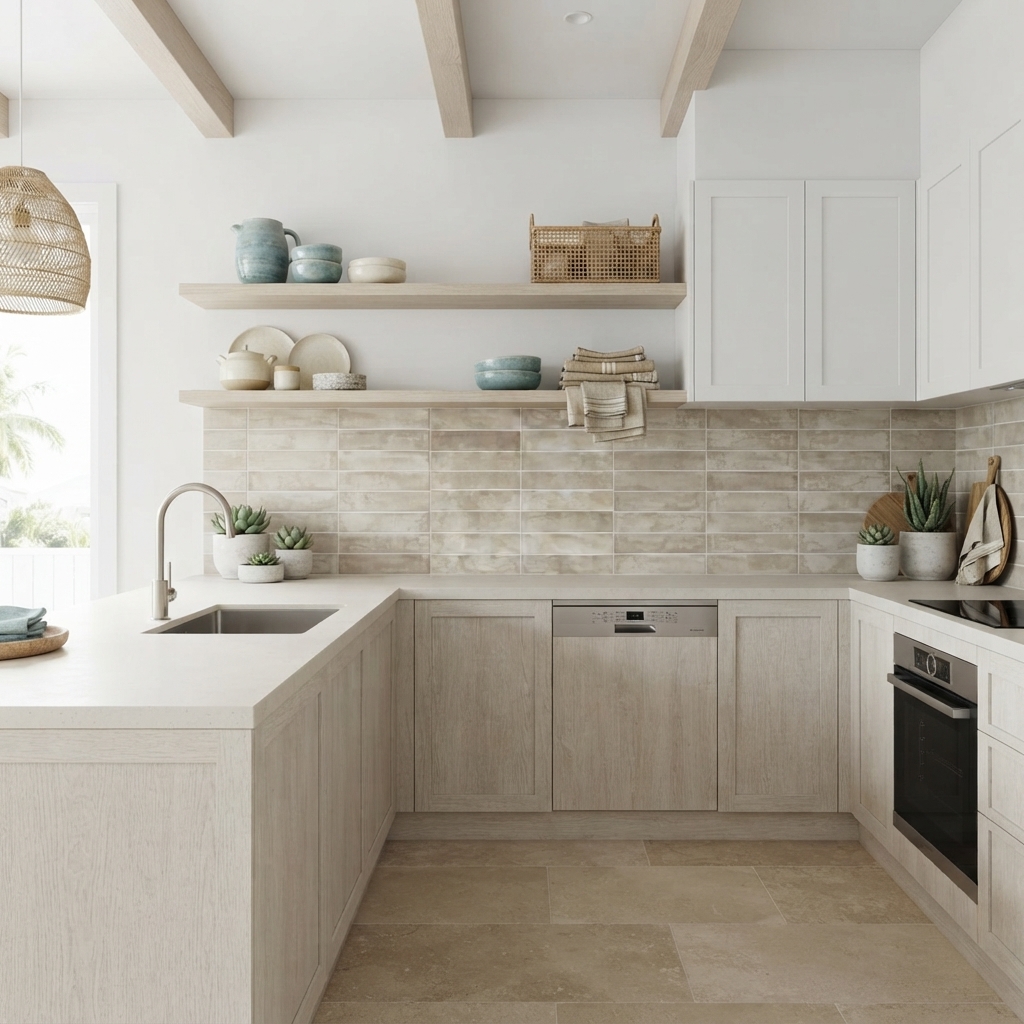
Traditional ceramic, often called body or wall tile, is a little softer and more porous than porcelain, and that is not a bad thing. It is lighter, easier to cut and gentler on the wallet, and its glazes come in the glossy, characterful whites and colours that make a splashback or feature wall sing. We just keep it where it belongs: on walls and light-traffic areas rather than busy floors.
- Best for: splashbacks, feature walls, bathroom walls and kitchens.
- Why: beautiful glazes, budget-friendly and easy to handle.
- Watch: not ideal for floors or outdoors, reach for porcelain there.
Natural stone: real texture, a little more love
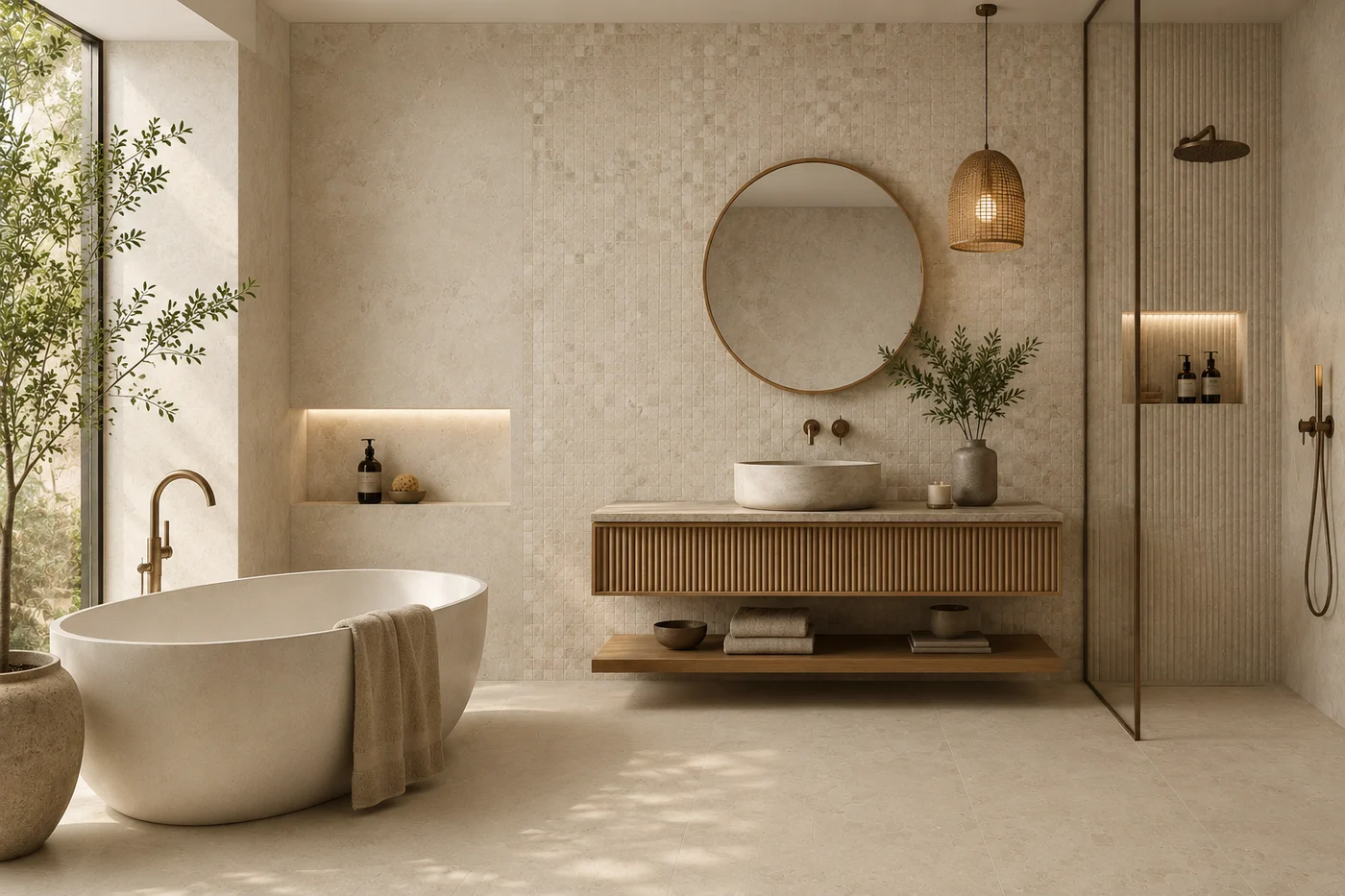
Nothing quite matches the depth of real stone, whether that is travertine, limestone or marble. Each piece is one of a kind, with genuine veining and movement. The trade-off is that stone is porous and needs sealing and gentler cleaning. For the right spot, and the right owner, it is worth every bit of that care.
- Best for: feature walls, fireplaces, benchtops and considered floors.
- Why: unmatched natural character and a grounded, architectural feel.
- Watch: seal it, avoid harsh cleaners, and expect natural variation.
Which goes where? A quick room-by-room
- Bathroom floor: matt or grippy porcelain.
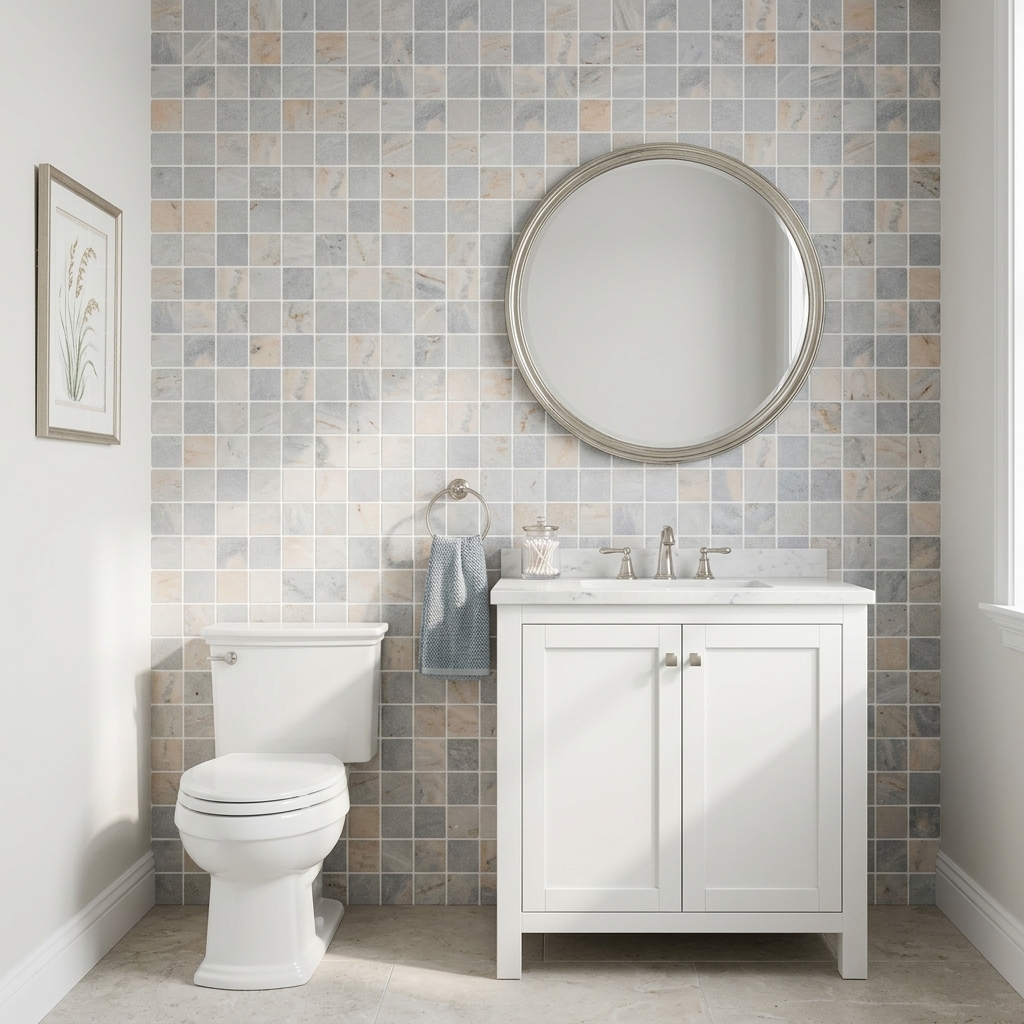
- Bathroom and shower walls: ceramic or porcelain, whatever the look calls for.
- Kitchen splashback: glossy ceramic for character, porcelain for a seamless stone look.
- Living and hallway floors: porcelain, every time, for wear and easy cleaning.
- Outdoors and pools: slip-rated porcelain, and there is more on that in our outdoor tiles guide.
If you remember one thing, remember this: match the tile to the job, not just the mood board. The right material is what makes a floor last for decades.
See them side by side
Samples can fib a little under showroom lights. Bring your plans, your other finishes and a photo of the room, and we will lay porcelain, ceramic and stone next to each other in real Sunshine Coast light so you can feel the difference before you commit. Browse the full range or come and see us.
Written by OnWood Tiles, 5 August 2026